

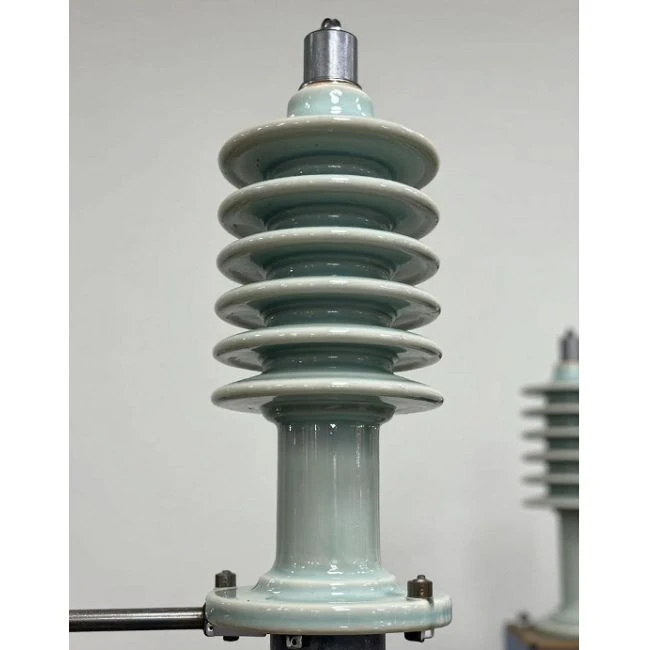
High-Performance Ceramic Standoff Insulators for Industrial Switchgear & Power Distribution
Product Overview & Core Specifications
Ceramic standoff insulators provide rigid mechanical support while maintaining strict electrical isolation between live busbars/conductors and grounded chassis. Molded from high-purity technical ceramics and fitted with corrosion-resistant metal inserts, these insulators withstand extreme thermal, mechanical, and electrical stresses in heavy-duty power systems.
Key Technical Parameters
|
Specification |
Standard Value / Range |
Testing / Verification Method |
|
Body Material |
95% Alumina (Al2O3) / C110 Electrical Porcelain |
ASTM C673 / GB/T 8411 |
|
Dielectric Strength |
>15 kV/mm (Alumina) |
ASTM D149 |
|
Max Operating Temp |
Up to 1000°C (Ceramic body) |
Thermal Gravimetric Analysis |
|
Tensile / Cantilever Load |
2.5 kN to 12.0 kN (Model dependent) |
Mechanical Load Test Bench |
|
Surface Finish |
Glazed (Brown, White, or Grey) |
Visual & Micrometer Inspection |
|
Insert Material |
Brass, Zinc-Plated Steel, or Stainless Steel (304/316) |
Spectrometer Material Verification |
Product Types & Selection Guide
Selecting the correct standoff insulator prevents premature electrical flashover and mechanical failure. Review the structural configurations and use the parameter breakdown below to match your installation environment.
Cylindrical (Smooth Body) Insulators: Compact design for tight enclosure spaces; ideal for internal switchgear sub-assemblies where lateral clearance is limited.
Ribbed (Convoluted) Insulators: Features external sheds (ribs) to artificially extend the creepage distance. Recommended for humid, dusty, or outdoor environments prone to surface tracking and pollution flashover.
Cone / Pillar Insulators: Heavy-duty design engineered to absorb high mechanical shock loads during short-circuit events in high-ampacity distribution boards.
Thread Configuration: Available in Female-Female, Female-Male, and Through-Hole configurations with metric (M4 to M16) or UNC internal threads.
Demanding Application Environments
These insulators are engineered for systems operating under rigorous electrical and physical loads:
Low & Medium Voltage Switchgear: Elevating busbars inside metal-clad distribution cabinets up to 36 kV.
Variable Frequency Drives (VFDs) & Inverters: Isolating high-frequency power components from grounded aluminum heat sinks.
Industrial Electric Furnaces: Supporting heating elements where ambient temperatures exceed standard polymeric limits.
Railway Traction Substations: Resisting continuous vibration and high electro-dynamic forces.
Manufacturing Process & Quality Control
Reliable insulation starts with controlled material preparation and precision firing. Our production process ensures batch-to-batch consistency:
Dry Pressing & Isostatic Pressing: High-purity ceramic powders are compacted at pressures up to 150 MPa to eliminate internal voids and micro-cracks.
Controlled Atmosphere Sintering: Fired in gas-controlled kilns at temperatures exceeding 1600°C to achieve full densification and low porosity (<0.1%).
Precision Insert Assembly: Metal inserts are embedded using high-strength epoxy resin or mechanical locking, tested to withstand specified torque limits without loosening or cracking the surrounding ceramic.
Rigorous Testing Protocols:
- High-Voltage Flashover Test: 100% routine testing at rated dielectric proof voltages.
- Mechanical Proof Load Testing: Sample batches subjected to 1.5x rated cantilever load.
- Dimensions & Thread Gauge Check: CMM optical scanning and GO/NO-GO thread gauges.
Frequently Asked Questions
Q: What is the main performance difference between 95% Alumina and Electrical Porcelain insulators?
A: 95% Alumina offers significantly higher mechanical strength, superior thermal conductivity, and greater resistance to extreme temperatures (>1000°C) compared to traditional electrical porcelain (C110). Alumina is preferred for high-vibration or high-stress environments, while porcelain remains a cost-effective solution for standard lower-voltage indoor panels.
Q: How do I select the right height for creepage distance requirements?
A: Creepage distance depends on your system operating voltage and the environmental pollution degree (IEC 60664-1). For high-humidity or dust-heavy environments, choose ribbed insulators that increase surface tracking distance without increasing overall mounting height.
Q: What is the maximum tightening torque for the metal inserts?
A: Tightening torque limits vary by thread size (e.g., M6: 8 N·m, M8: 18 N·m). Exceeding the recommended torque can cause stress concentration and fracture the ceramic collar. Refer to the specific Product Datasheet (TDS) for exact torque ratings.
Q: Can you manufacture custom thread sizes or custom mounting dimensions?
A: Yes. As an OEM manufacturer, we produce custom insert lengths, non-standard thread pitches (both metric and imperial), and specialized ceramic body dimensions based on your engineering drawings or samples.
Call to Action / Request a Quote
Need standard catalog items or custom ceramic insulators for your upcoming switchgear project? Send your specifications, annual volume projections, and required delivery schedule to our engineering sales team.
Hot Tags: ceramic standoff insulators, China ceramic standoff insulators manufacturers, suppliers, factory, Alumina Ceramic Buttons, ceramic abrasion block, ceramic bushing sleeve, ceramic electrical isolation part, ceramic fitting component, ceramic mounting bracket insert


