

As a supplier of Ceramic Sheath Tubes, I've encountered numerous situations where customers face the issue of damaged tubes. Repairing a damaged ceramic sheath tube is not only a cost - effective solution but also crucial for maintaining the efficiency of various industrial applications. In this blog, I'll share some scientific and practical methods for repairing these tubes.
Understanding the Ceramic Sheath Tube
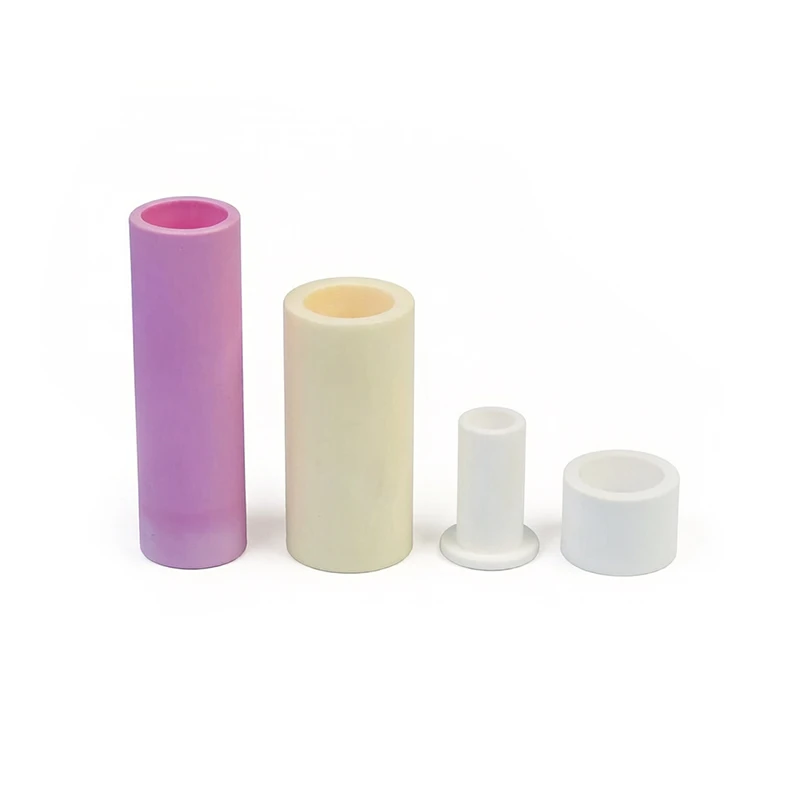
Before delving into the repair process, it's essential to understand the nature of ceramic sheath tubes. Ceramic sheath tubes are known for their excellent thermal stability, high electrical insulation, and chemical resistance. They are widely used in industries such as electronics, metallurgy, and chemical engineering. For instance, Alumina Single Bore Tubes are commonly used in high - temperature thermocouples, while High Temperature Ceramic Tube can withstand extreme heat in furnace applications. Hollow Ceramic Tubes are often utilized for routing wires or protecting delicate components.
Causes of Damage
The first step in repairing a damaged ceramic sheath tube is to identify the cause of the damage. Common causes include thermal shock, mechanical stress, chemical corrosion, and abrasion.
- Thermal Shock: When a ceramic tube is exposed to rapid temperature changes, it can cause internal stresses that lead to cracking. For example, if a hot tube is suddenly cooled with water, the outer layer contracts faster than the inner layer, resulting in cracks.
- Mechanical Stress: Physical impacts, such as dropping the tube or applying excessive pressure, can cause fractures. In industrial settings, improper handling during installation or maintenance can also lead to mechanical damage.
- Chemical Corrosion: Exposure to certain chemicals can erode the ceramic material over time. For instance, acidic or alkaline substances can react with the ceramic, weakening its structure.
- Abrasion: Continuous friction against other materials can wear down the surface of the ceramic tube, eventually leading to damage.
Assessment of Damage
Once the cause of the damage is identified, the next step is to assess the extent of the damage. This can be done through visual inspection and, in some cases, non - destructive testing methods.
- Visual Inspection: Look for visible cracks, chips, or signs of corrosion on the surface of the tube. Small cracks may be difficult to detect, so it's important to use a magnifying glass if necessary.
- Non - Destructive Testing: Techniques such as ultrasonic testing or X - ray inspection can be used to detect internal cracks or defects that are not visible to the naked eye. These methods are particularly useful for assessing the integrity of the tube before attempting a repair.
Repair Methods
The repair method chosen depends on the type and extent of the damage. Here are some common repair techniques:
Minor Cracks and Chips
- Ceramic Adhesive: For small cracks and chips, a high - temperature ceramic adhesive can be used. First, clean the damaged area thoroughly to remove any dirt, debris, or loose ceramic particles. Then, apply the adhesive according to the manufacturer's instructions. Make sure to fill the crack or chip completely and smooth the surface. After the adhesive has cured, the tube can be used again.
- Glaze Repair: If the damage is on the surface of the tube, a glaze repair kit can be used. This involves applying a special glaze to the damaged area and then firing the tube at a specific temperature to fuse the glaze with the ceramic. Glaze repair can restore the appearance and surface properties of the tube.
Major Cracks and Fractures
- Splicing: In cases where the tube is severely cracked or broken into multiple pieces, splicing can be a viable solution. Cut the damaged parts of the tube cleanly and align them carefully. Then, use a ceramic sleeve or a specially designed connector to hold the pieces together. Apply a high - temperature ceramic adhesive around the joint to ensure a strong bond. After the adhesive has cured, the tube can be tested to ensure its integrity.
- Re - firing: For tubes that have suffered from thermal damage, re - firing can sometimes restore their original properties. However, this process requires careful control of the temperature and firing time. It's important to follow the manufacturer's guidelines or consult with a ceramic expert to avoid further damage.
Precautions during Repair
- Safety First: When working with ceramic tubes and repair materials, always wear appropriate safety gear, such as gloves and goggles. Some ceramic adhesives and glazes may be toxic, so make sure to work in a well - ventilated area.
- Follow Manufacturer's Instructions: Whether using an adhesive, a glaze, or any other repair material, always follow the manufacturer's instructions carefully. This includes the application method, curing time, and temperature requirements.
- Test the Repaired Tube: After the repair is complete, it's important to test the tube to ensure that it functions properly. This may involve conducting a thermal test, an electrical test, or a pressure test, depending on the application.
Preventive Measures
To reduce the likelihood of future damage, it's important to take preventive measures.

- Proper Handling: Train employees on proper handling techniques to avoid mechanical damage. Use appropriate tools and equipment during installation and maintenance.
- Temperature Control: Avoid rapid temperature changes by using proper heating and cooling procedures. Use insulation materials to protect the tube from extreme temperatures.
- Chemical Protection: If the tube is exposed to chemicals, use appropriate protective coatings or choose a ceramic material that is resistant to the specific chemicals.
Conclusion
Repairing a damaged ceramic sheath tube is a complex but achievable task. By understanding the causes of damage, assessing the extent of the damage, and choosing the appropriate repair method, you can extend the lifespan of your ceramic tubes and save costs. As a Ceramic Sheath Tube supplier, I'm committed to providing high - quality products and professional advice on tube repair and maintenance.
If you're interested in purchasing Ceramic Sheath Tubes or have any questions about tube repair, feel free to contact us for further discussion and procurement. We look forward to working with you to meet your industrial needs.
References
- Ceramic Materials Handbook, Second Edition.
- Industrial Ceramics: Properties, Processing, and Applications.