

In industrial applications, ceramic tiles demonstrate a multitude of significant advantages. First and foremost, their lightweight nature is particularly notable; with a density merely half that of steel, they effectively reduce equipment load and enhance operational efficiency.
Secondly, ceramic tiles boast an exceptionally broad scope of applicability. Whether in heavy industries-such as thermal power generation and steel manufacturing-or in light industries-such as chemical processing and cement production-suitable application scenarios can be found to meet the demands of various types of machinery subject to high wear. Furthermore, their immense hardness stands out as a key highlight; second only to diamond, they far surpass wear-resistant steel and stainless steel in hardness, thereby vastly improving wear resistance.
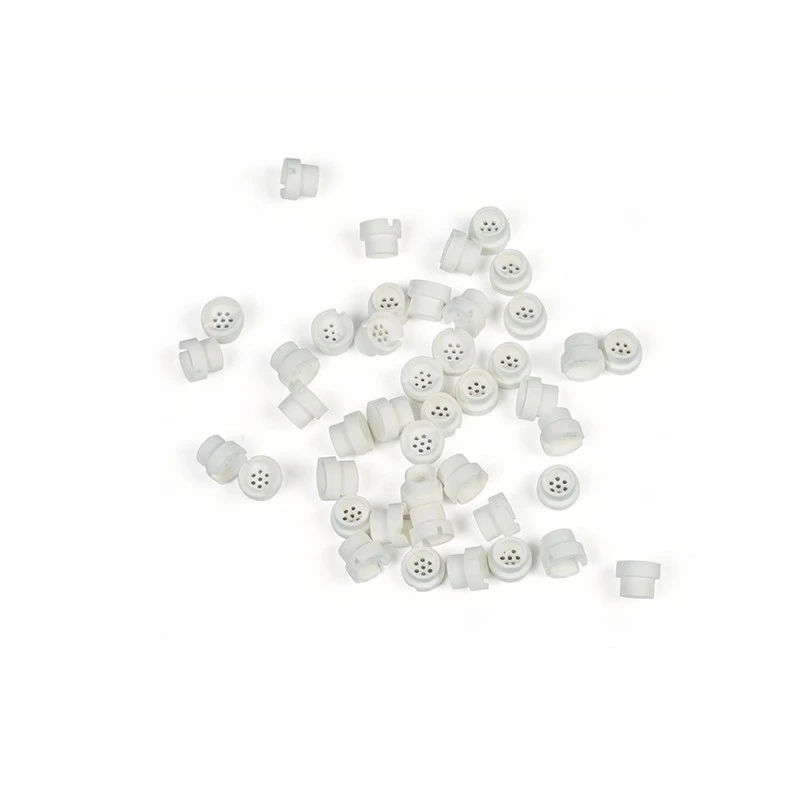
Additionally, the versatility of ceramic tile processing techniques is highly commendable; they can be firmly bonded to a substrate through various methods-including adhesion and welding-to adapt to the requirements of diverse operating conditions.
Finally, their excellent compatibility ensures stable performance even in complex environments; they do not react with slag and exhibit low sensitivity to environmental factors, making them an indispensable high-performance material in industrial applications.