

Hey there! As a supplier of Alumina Grinding Balls, I often get asked if these little wonders can be used in the pharmaceutical industry. Well, let's dive right into it and find out.
First off, let's talk about what alumina grinding balls are. Alumina, or aluminum oxide, is a super - hard and durable material. These grinding balls are made from high - purity alumina and come in various sizes. They're known for their excellent wear resistance, high density, and chemical stability.
In the pharmaceutical industry, precision and purity are of the utmost importance. When it comes to grinding and milling pharmaceutical ingredients, the grinding media used can have a huge impact on the final product. So, can alumina grinding balls fit the bill?
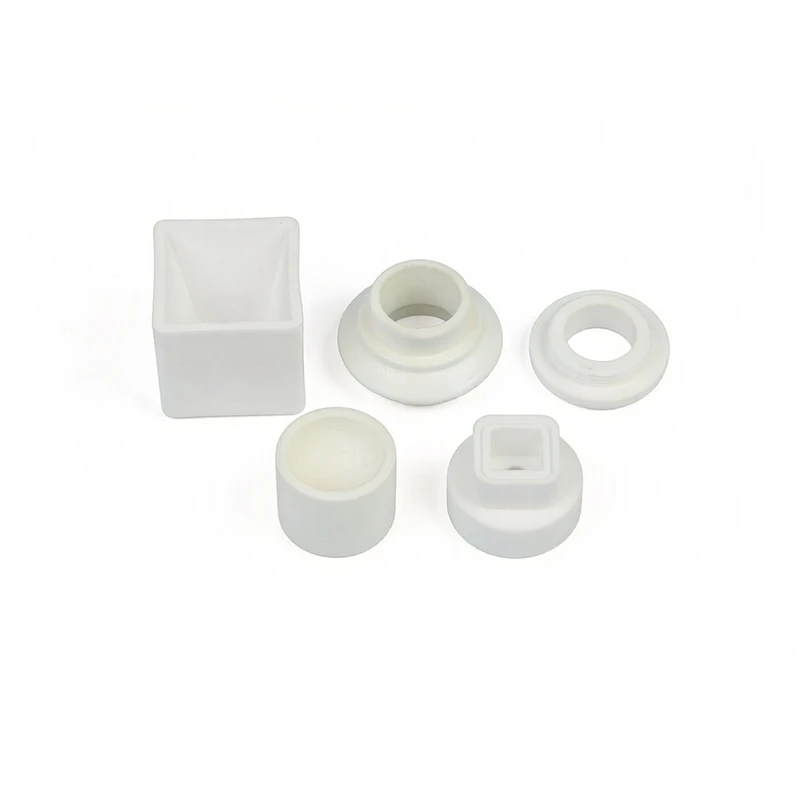

Advantages of Using Alumina Grinding Balls in the Pharmaceutical Industry
1. Wear Resistance
One of the biggest perks of alumina grinding balls is their wear resistance. In the pharmaceutical grinding process, you want a grinding media that can last a long time without breaking down. If the grinding balls wear out quickly, they can contaminate the pharmaceutical product with their own particles. Alumina grinding balls are tough as nails, and they can withstand the rigors of high - speed grinding and milling operations. This means less contamination and a more consistent product quality.
2. Chemical Stability
Pharmaceutical ingredients are often sensitive to chemical reactions. Alumina is chemically inert, which means it won't react with most pharmaceutical substances. This is crucial because you don't want any unwanted chemical reactions occurring during the grinding process. Whether you're grinding powders for tablets, capsules, or other pharmaceutical forms, alumina grinding balls can provide a stable environment for the process.
3. High Density
Alumina grinding balls have a relatively high density. This high density allows them to deliver more impact energy during the grinding process. As a result, they can break down pharmaceutical ingredients more efficiently, reducing the grinding time and increasing productivity.
4. Cost - Effectiveness
Compared to some other grinding media, alumina grinding balls are relatively cost - effective. You get a lot of bang for your buck with these balls. They have a long service life, which means you don't have to replace them as often. This can lead to significant cost savings in the long run for pharmaceutical manufacturers.
Potential Concerns
However, it's not all sunshine and rainbows. There are a few potential concerns when using alumina grinding balls in the pharmaceutical industry.
1. Particle Size and Shape
The particle size and shape of the ground pharmaceutical product can be affected by the grinding balls. If the alumina balls are not of the right size or shape, they may not produce the desired particle size distribution. This can impact the dissolution rate and bioavailability of the pharmaceutical product. So, it's important to choose the right size and shape of alumina grinding balls for the specific pharmaceutical application.
2. Contamination Risk
Although alumina is chemically inert, there is still a small risk of contamination. If the grinding balls are not properly cleaned or maintained, they can introduce impurities into the pharmaceutical product. This is why strict quality control measures need to be in place when using alumina grinding balls in the pharmaceutical industry.
Real - World Applications
In the real world, alumina grinding balls are already being used in some pharmaceutical manufacturing processes. For example, they're used in the production of antibiotics, where the grinding process needs to be precise and contamination - free. They're also used in the grinding of herbal extracts and other natural pharmaceutical ingredients.
If you're in the pharmaceutical industry and looking for high - quality grinding media, you might also be interested in some of our other products. Check out our Zirconia Ceramic Structural Components, Ceramic Electrical Insulators, and Boron Carbide Nozzle. These products also offer unique properties that can be beneficial in various industrial applications.
Conclusion
So, can alumina grinding balls be used in the pharmaceutical industry? The answer is a resounding yes. They offer many advantages such as wear resistance, chemical stability, high density, and cost - effectiveness. However, like any other product, they also come with some potential concerns that need to be addressed.
If you're a pharmaceutical manufacturer and you're considering using alumina grinding balls, I'd love to have a chat with you. We can discuss your specific needs and see how our alumina grinding balls can fit into your production process. Whether you're looking for a more efficient grinding solution or trying to improve the quality of your pharmaceutical products, we're here to help.
If you're interested in learning more about our alumina grinding balls or any of our other products, feel free to reach out. We're always happy to answer your questions and provide you with the information you need to make an informed decision.
References
- "Ceramics in Pharmaceutical Manufacturing", Journal of Pharmaceutical Sciences
- "Grinding Media Selection for Pharmaceutical Applications", International Journal of Pharmaceutical Technology